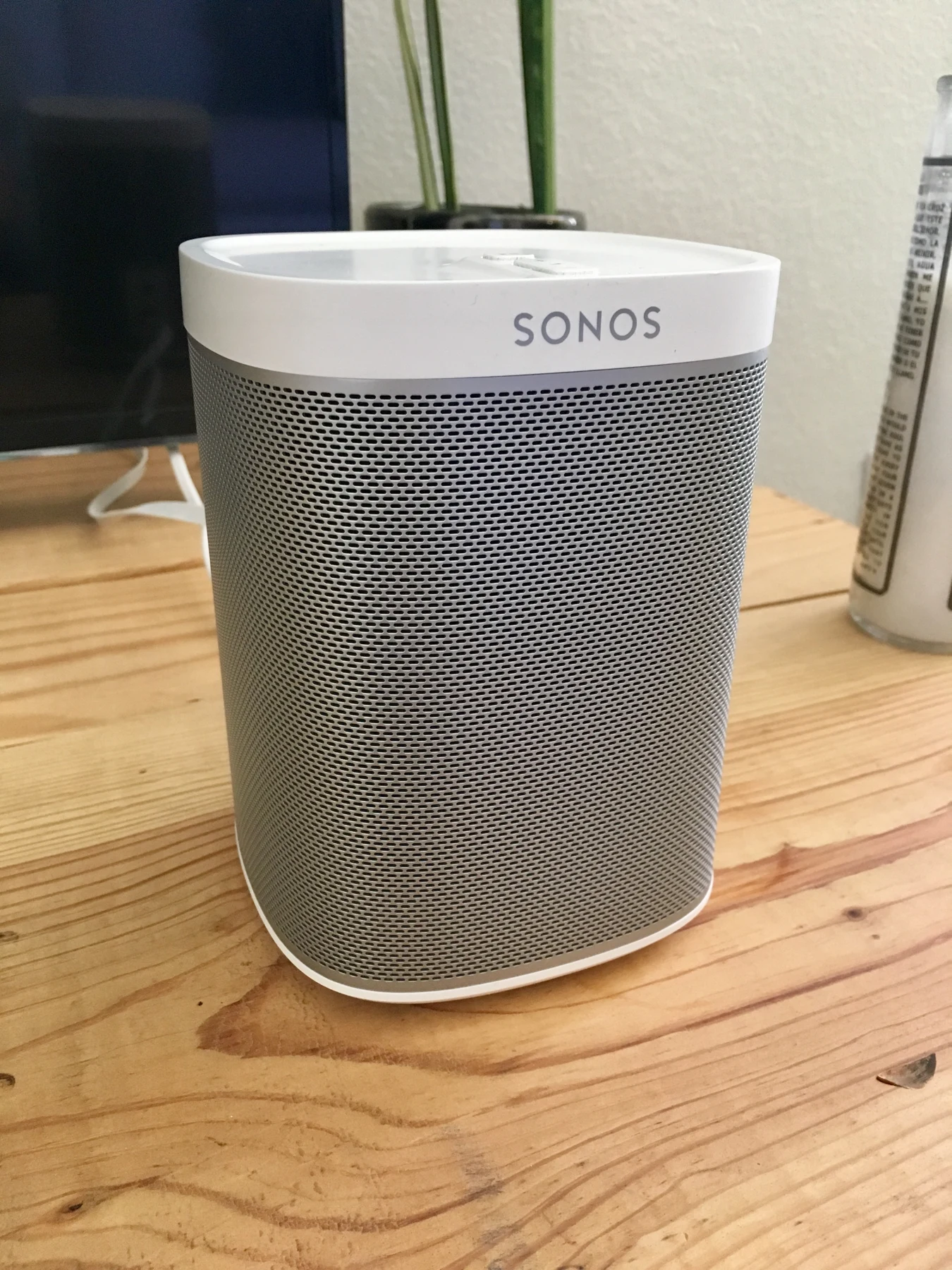
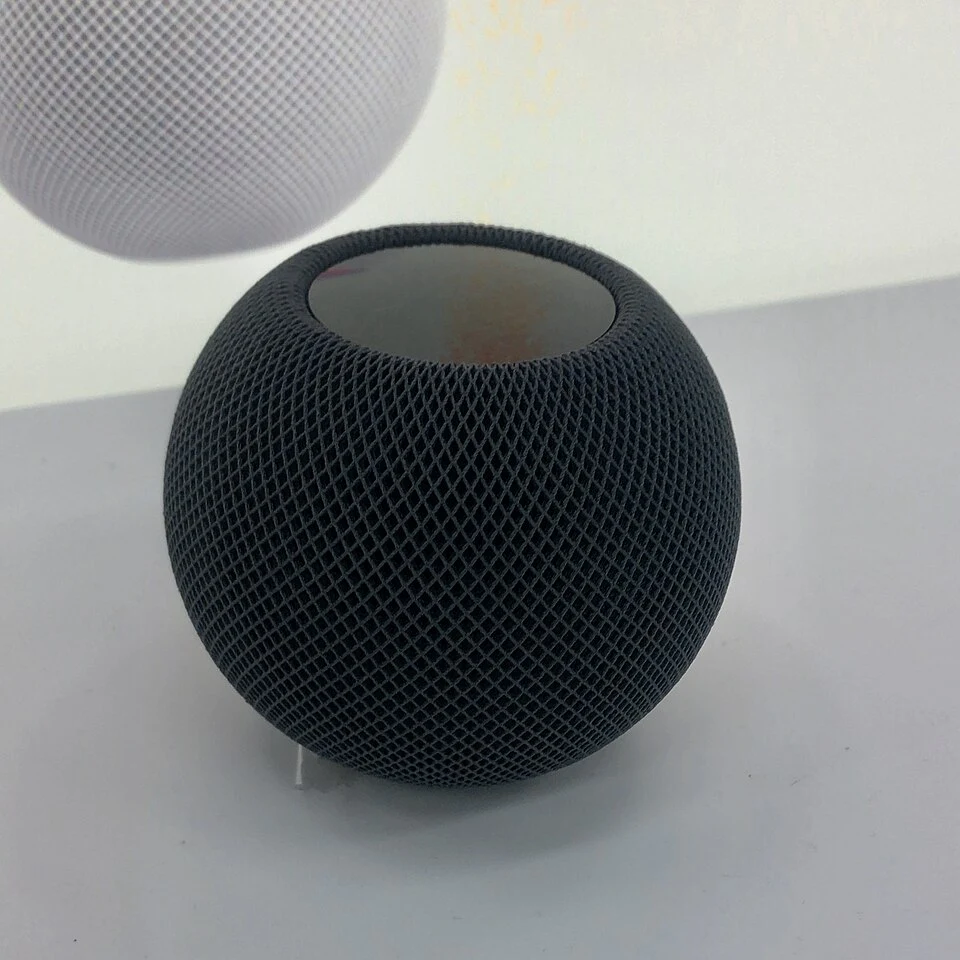
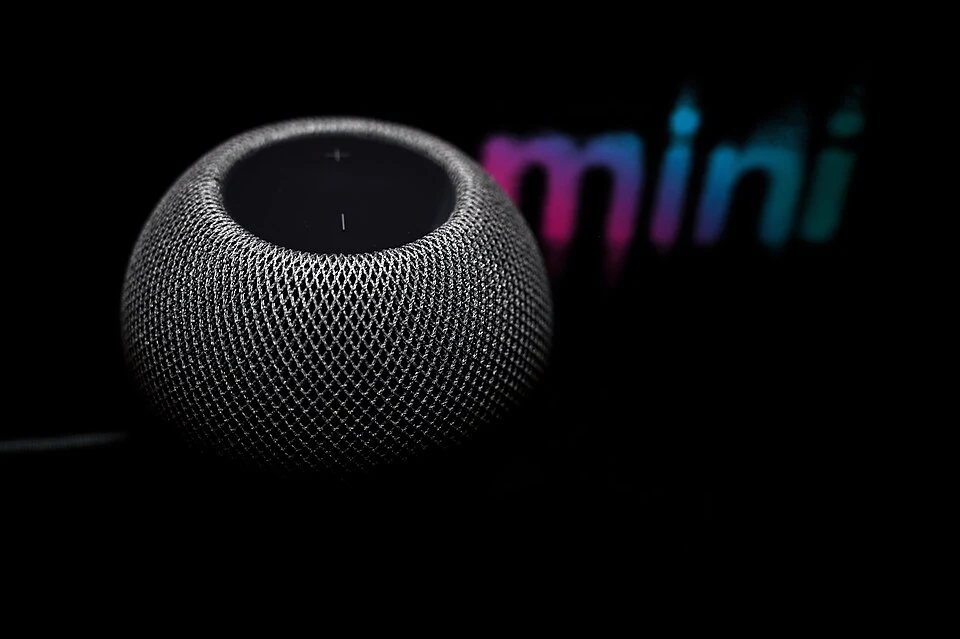
A small speaker can be easy to place and surprisingly difficult to choose. With the original HomePod mini, the first question is not its color or shape. It is whether the Apple home ecosystem fits the people who will use it every day. This article covers the original generation shown in the photographs.
At a glance
- Model pictured
- Original HomePod mini
- Introduced
- 2020
- Buying check
- Confirm generation and setup requirements
Confirm which mini you are buying
Apple’s model-identification guide lists the original HomePod mini as introduced in 2020. Product families change over time, so check the exact model against current listings. These photographs of the original design should not be used to infer specifications for a later generation.
For a used unit, ask the seller to identify the model, provide the appropriate power accessories, and demonstrate a working setup. Appearance alone cannot tell you the software state or whether the device will be straightforward to add to your home. Check official setup requirements for your phone and region before committing.
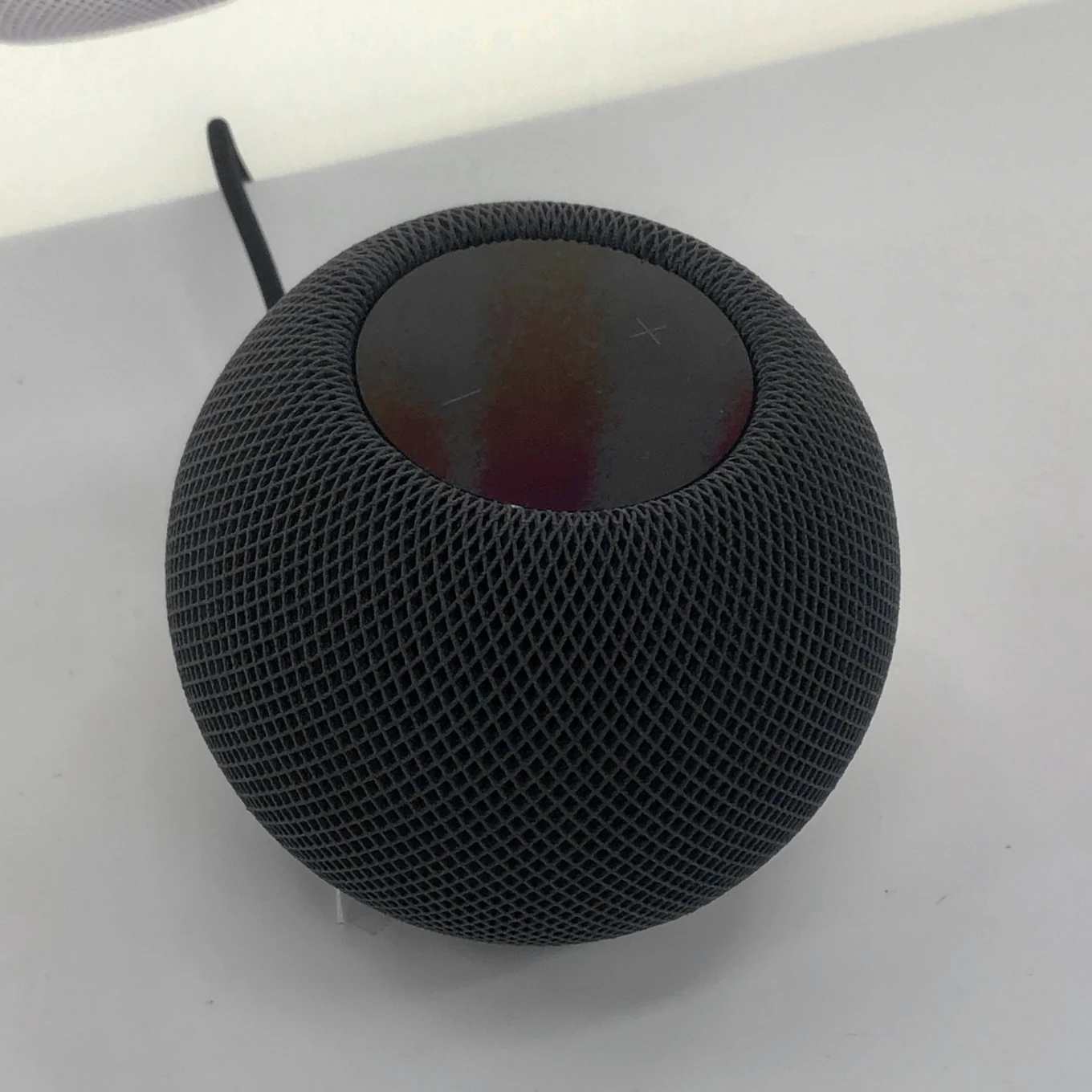
The household is the real compatibility test
List who will use the speaker, which phones they have, and which music services they expect to play. A compact device is not automatically the simplest choice for a mixed-device household. Confirm the exact playback and account features you need in Apple’s current documentation rather than assuming every service behaves the same way.
Think about voice requests as well as music. Decide which shared functions are welcome in the room and review personal-request settings during setup. A living room and a private bedroom may call for different choices. We have not tested voice recognition, playback-service compatibility, or smart-home automations.
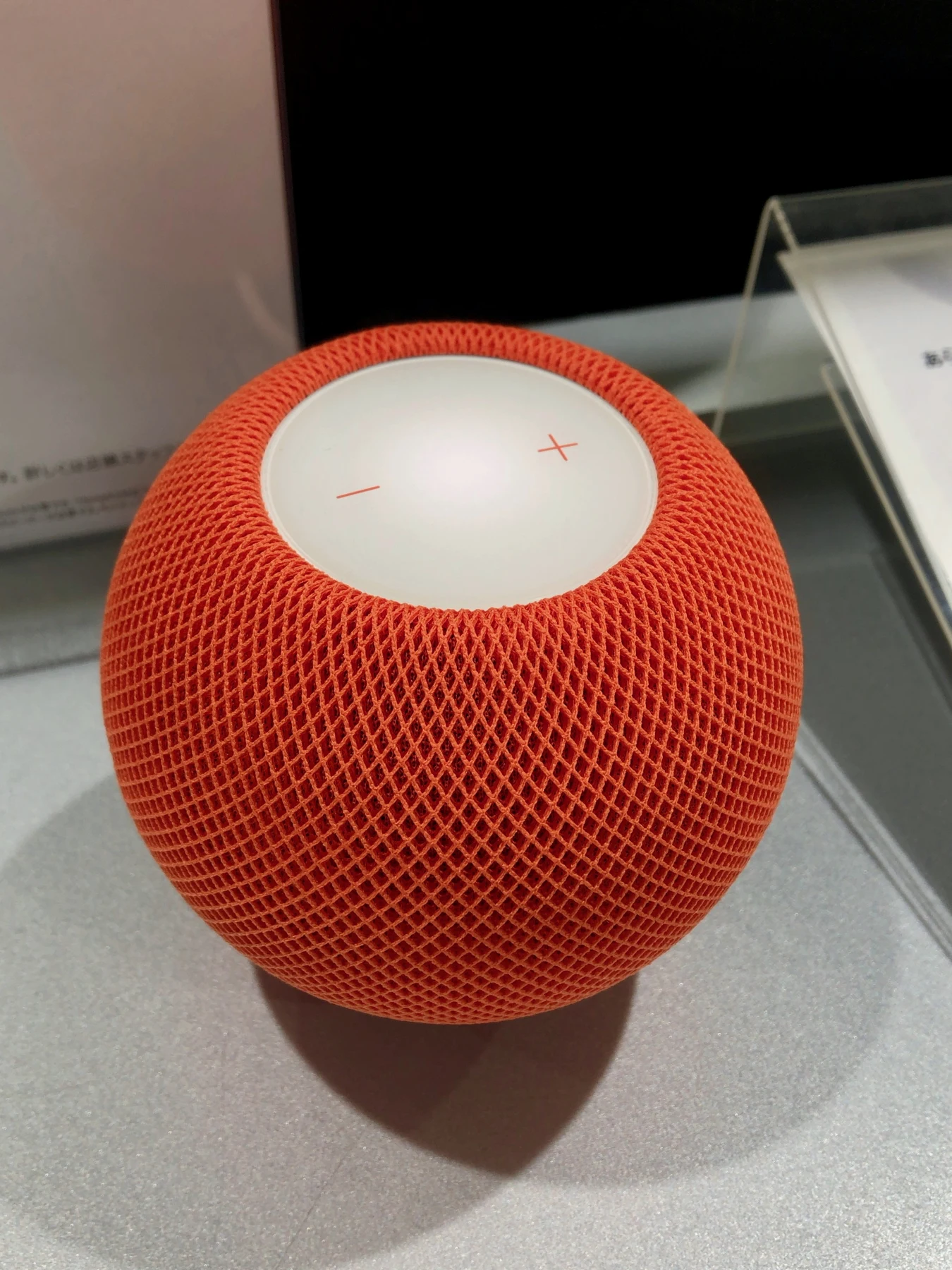
Buy for the room you have
A small speaker is appealing where surface space is limited, but it still needs a sensible location and power. Check that the cable reaches without tension and that the controls are accessible. Avoid a purchase based only on how neatly the speaker looks in someone else’s interior.
We have not measured frequency response, maximum volume, latency, or microphone performance. If those qualities are important to you, look for documented listening or laboratory tests and use a return window to assess your room. Compare the original model’s price and condition with newer options rather than assuming a discount automatically makes it good value.
Pros & cons
What works on paper
- Small format for limited surface space
- Clear model-identification guidance from Apple
- Worth considering for an Apple-focused household
What to weigh up
- Ecosystem fit needs checking before purchase
- Older listings may omit accessories or model detail
- Photographs cannot establish sound performance
Who should buy it?
Apple-focused households that have verified the original model’s setup and service requirements. People who need broad compatibility across different phones and sources should compare alternatives carefully.
The verdict
Choose the original HomePod mini only after confirming the ecosystem, generation, and condition. Its small size is useful, but the everyday experience depends on much more than the footprint.
Sources & image credits
Product reference: Apple: identify your HomePod model. Consult the manufacturer for current features, regional requirements, and support. Editorial judgments are NestPick’s interpretation, not measured test results.
Photography is independently licensed; photographers and manufacturers do not endorse this article. All four images are credited beside their captions. Resized WebP derivatives retain the applicable original image license. Full image credits and licenses.