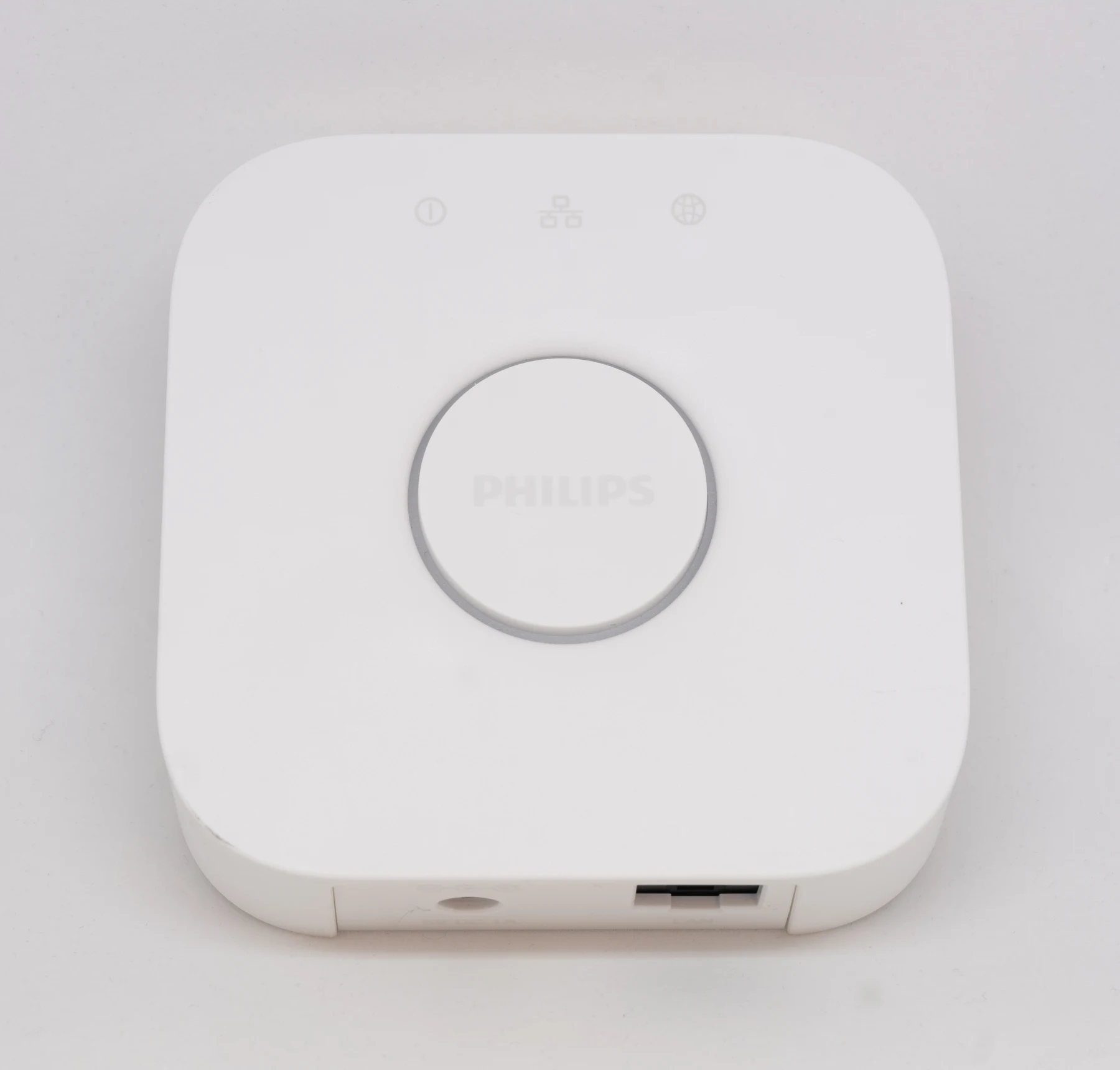
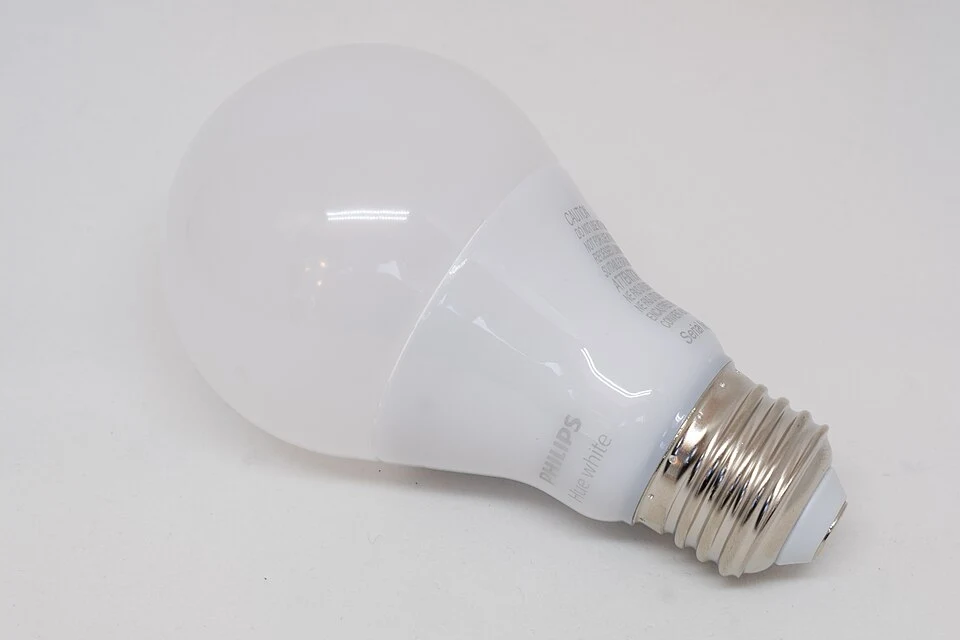
The most useful smart light is often the one you stop thinking about. A reading lamp that feels comfortable in the evening or a hallway light that fits your routine can matter more than an elaborate rainbow scene. Hue is worth considering as a lighting system rather than a collection of novelty bulbs.
At a glance
- Product family
- Hue smart lighting
- Control
- Bluetooth or Bridge, depending on model
- Plan for
- Compatible fittings and controls
Start with the room, not the app
Hue lights use Bluetooth or Zigbee, with a Bridge supporting the wider system. Exact capabilities depend on the bulb and setup. That distinction matters when you plan beyond a single lamp. Decide whether you need simple nearby control or a coordinated home before comparing starter kits.
Our preference is to begin with one frequently used room. List its lamps, fitting types, and the activities they serve. A bedside reading light and a ceiling fixture solve different problems. Check dimensions, voltage, brightness, and whether a bulb is white-only, tunable white, or color-capable; the family name alone does not answer those questions.
The everyday trade-offs
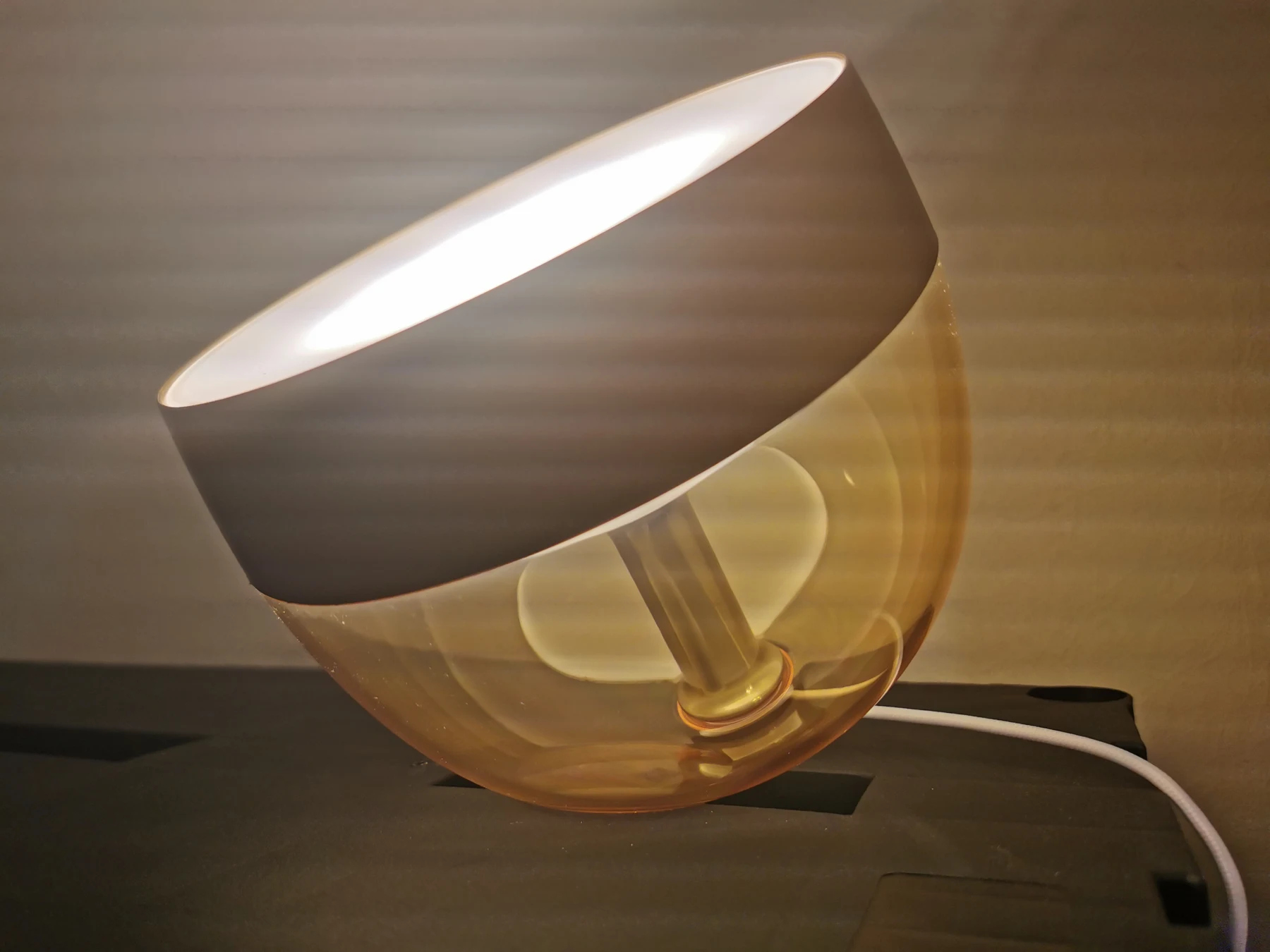
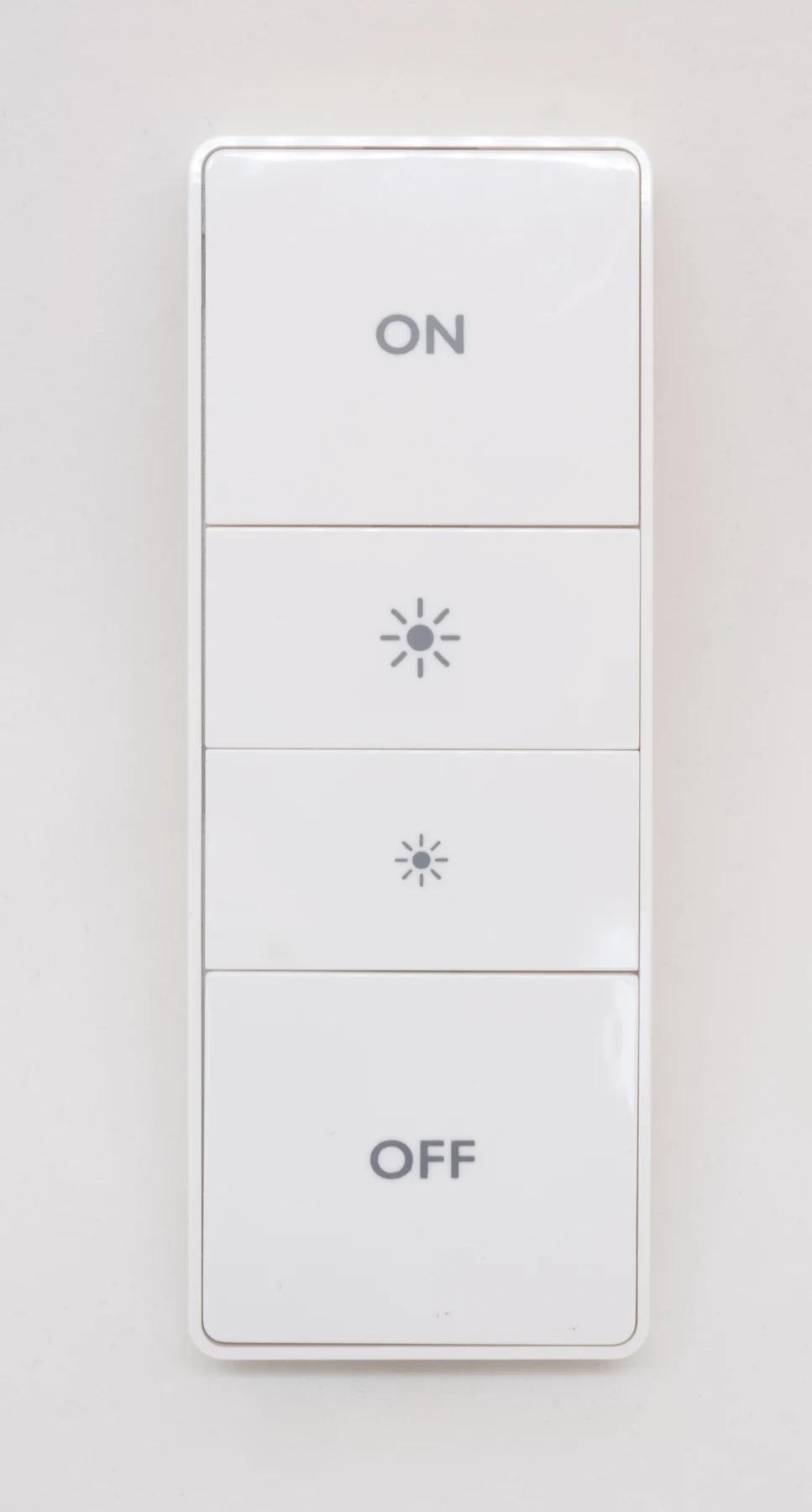
Smart lighting adds a second way to control something that already has a switch. That can be convenient, but the household needs to understand the new arrangement. If someone cuts power at the wall, a bulb cannot behave like an always-connected device. Plan a simple physical control option as carefully as you plan an app scene.
A room also needs enough useful light before it needs decorative color. Compare the specific bulb output with your existing lighting and read the fitting requirements. We have not measured Hue brightness, color accuracy, response time, or reliability. Those are important questions for a hands-on follow-up, not results we can infer from a product photograph.
What to budget for
The bulb price is only part of the decision. A Bridge, switches, motion controls, replacement lamps, and optional services may affect the total. Price a realistic room setup before buying a large starter bundle. If you rent, portable lamps can make a more manageable starting point than permanent changes.
For a shared home, choose a small number of understandable scenes rather than dozens of automations. A comfortable evening preset and a brighter task preset give everyone a clear purpose. Avoid paying for a capability until you can name the routine it will improve.
Pros & cons
What works on paper
- Flexible room-by-room approach
- Choice of lighting and control formats
- Can grow beyond a single lamp
What to weigh up
- Total system cost can exceed the bulb price
- Models differ in features and brightness
- Physical switches need a household plan
Who should buy it?
Households that want coordinated lighting and are willing to plan fittings, controls, and a realistic room budget. A basic replacement bulb may suit you better if you only want light from a wall switch.
The verdict
Hue makes the strongest case when you treat lighting as part of how a room works. Start small, check the exact model, and expand only after the first room solves a real need.
Sources & image credits
Product reference: Philips Hue: how the system works. Consult the manufacturer for current features, regional requirements, and support. Editorial judgments are NestPick’s interpretation, not measured test results.
Photography is independently licensed; photographers and manufacturers do not endorse this article. All four images are credited beside their captions. Resized WebP derivatives retain the applicable original image license. Full image credits and licenses.